How Is It Possible Little Boys SVG Review for Real Projects
As an experienced embroidery designer and product reviewer, I always look at a new digital design with a critical eye—especially when it comes to using it in real-world projects. How is It Possible Little Boys SVG caught my attention not just for its name but for the creative potential it promises. Let’s take a closer look at how this machine embroidery design fits into various craft applications, what kind of visual personality it brings, and where it might need careful handling.
First Impressions: A Playful Yet Polished Look
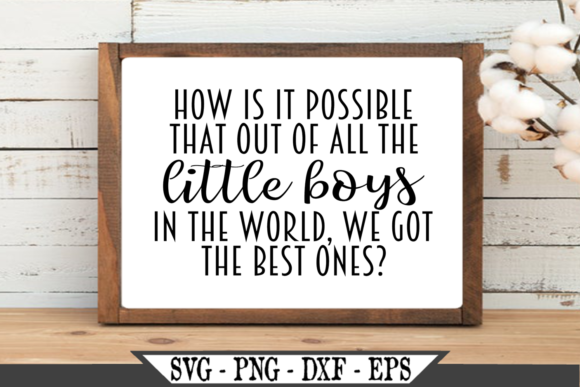
The How is It Possible Little Boys SVG has a whimsical charm that immediately suggests it could work well for baby-related or children’s apparel items. The layout feels balanced, with enough detail to stand out without overwhelming the fabric. The use of clean lines and soft curves gives it a gentle, approachable mood, making it ideal for personalized gifts or boutique-style products.
I noticed the design includes elements that suggest it's suited for appliqué techniques. The shape seems to be designed with satin stitch outlines and fill stitches that could add dimension without being too heavy. The transparent PNG background included in the download helps visualize placement accurately on different surfaces, which is a big plus for anyone working with multiple fabric types.
Visual Personality and Theme
This design doesn’t scream loud; instead, it whispers with a subtle sense of fun. Its theme is clearly aimed at little boys, but the overall aesthetic is gender-neutral enough to appeal to a broader audience. That versatility makes it valuable for crafters who want their handmade products to reach more buyers, especially Etsy sellers or small shop owners looking to diversify their offerings.
It’s also worth noting the level of detail. While not overly intricate, there are enough features to give the design character. This means it can be stitched on both simple and complex garments alike, as long as the stabilizer and settings are adjusted accordingly.
Real-World Performance in Embroidery Projects
Let me walk through a practical example. Suppose I’m preparing a custom embroidered sweatshirt for a client’s newborn son. The How is It Possible Little Boys SVG would sit beautifully on the chest area, adding a touch of humor and charm. Its moderate stitch density should allow it to hold up well on thicker sweatshirt fabrics like French terry or cotton fleece.
For tote bag designs, this SVG works well if placed near the top hem or centered on the front. The transparency of the PNG file helps in mockup creation, ensuring clients get a clear idea of how the finished product will look before production starts. As a tote bag design, it adds value by giving the item a unique, handcrafted feel while maintaining a professional appearance.
In baby clothes, such as onesies or rompers, the design is a natural fit. It reads clearly even from a distance, which is great for parents wanting to showcase a playful message on their child’s outfit. However, if you’re planning to use it on thin or stretchy materials like jersey knits, some adjustments may be needed to prevent distortion or puckering after washing.
When applied to holiday gifts, like personalized pillows or aprons, the design maintains its visual appeal. It can easily become part of a cohesive set of embroidery assets, especially if paired with other related themes. For commercial embroidery projects, it’s a solid choice for small shop product branding or Etsy listings, provided the licensing allows for resale.
Where to Use It Carefully
- Small hoop sizes: The design may require scaling down, which could affect the clarity of smaller details. Always test on scrap fabric first.
- Textured fabrics: Depending on the texture, the fill stitches might appear uneven or the satin areas could lose definition.
- Thin or stretchy fabric: These materials can cause the design to shift during stitching or distort over time, especially if not properly stabilized.
- Dark fabric backgrounds: Thread color contrast becomes essential here. The default colors in the file may not pop as well, so consider switching to lighter threads or white for better visibility.
- Curved surfaces (like caps): Placement accuracy is key. The design should be tested for alignment and tension issues on curved or irregular shapes.
- Dense stitch areas: If the design includes tightly packed fills, ensure your machine can handle the workload and that the fabric won’t tear under pressure.
- Frequent washing: Items like tea towels or aprons will need extra care. Test the design for durability and washability before finalizing production.
Design Impact on Visual Appeal and Stitching Clarity
One of the strengths of How is It Possible Little Boys SVG is its ability to maintain visual clarity across different mediums. Whether it's stitched on a pillow cover or printed as a digital preview for an online listing, the design remains legible and aesthetically pleasing.
Its simplicity contributes to a strong visual identity. When used in a handmade product, it elevates the overall presentation and makes the item more giftable. As a custom apparel design, it can become a signature element of a brand’s style, helping with recognition and buyer engagement.
Thread Color Considerations
While the digital file likely includes thread color suggestions, it’s important to remember that these are just guidelines. Different lighting conditions, fabric textures, and personal preferences can change how colors appear post-stitching. Always test thread combinations on actual fabric before committing to a full batch of sweatshirts or tote bags.
Designer Notes: Practical Tips for Using the Design
- Test on scrap fabric: Before using the design in any commercial project, stitch it on a sample piece of your target material to assess quality and adjust settings as needed.
- Check stitch density: Dense areas may require additional stabilizer or lower stitch count to avoid puckering or tearing.
- Confirm hoop size: If the design isn't specified for a particular hoop size, review the dimensions and scale accordingly to suit your machine and fabric.
- Inspect small details: Especially if you're using the design for baby embroidery or patches, make sure tiny lettering or corners don’t disappear due to low tension or incorrect thread weight.
- Use black and white mockups: To evaluate how the design will look on dark versus light fabrics, switch to grayscale previews before finalizing your project.
- Review fabric compatibility: Avoid using it on delicate or loosely woven textiles unless you have experience adjusting stitch patterns for those materials.
- Always use proper stabilizer: Especially on stretchy or thin fabrics, backing stabilizers help keep the design flat and consistent during stitching.
- Confirm licensing: Since this is a digital embroidery file, verify whether the creator allows resale of finished products or redistribution of the design itself. This is crucial for Etsy sellers and digital product creators.
Final Thoughts on How Is It Possible Little Boys SVG
Overall, How is It Possible Little Boys SVG is a thoughtful addition to any embroidery designer’s collection. It brings a sense of lightheartedness and creativity that aligns well with modern handmade aesthetics. Its adaptability across different craft business needs—from personalized gifts to small shop merchandise—makes it a versatile design asset.
What stands out most is how it balances humor with professionalism. You can see it becoming a favorite among customers looking for something cute yet meaningful for their little ones. As a design for real project use, it earns points for its usability and emotional resonance.
However, as with all digital embroidery files, success depends on how well you match the design to the right product and prepare for stitching challenges. Don’t assume the design will perform flawlessly on every surface—it’s smart to test, adjust, and plan ahead.
If you're an embroidery designer or craft entrepreneur considering this design for your next batch of handmade products, know that it has potential—but only if you apply it with care and consideration. The result? A design that looks good, functions well, and builds customer trust in your brand’s quality and creativity.