Take Me Out to the Ball Game Svg for Bas
As a designer and embroidery product reviewer, I've evaluated countless machine embroidery designs. Take Me out to the ball game svg for bas stands out as a versatile and nostalgic piece that could easily become a staple in your design library. The moment I opened the file, I was struck by its classic baseball theme, which feels both timeless and instantly recognizable.
First Impressions: A Nostalgic Baseball Theme
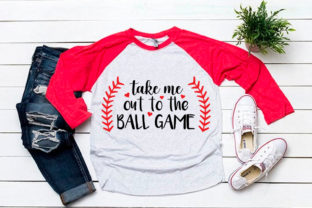
The design features a simple yet effective layout with a baseball diamond, a bat, and a ball. The shapes are clean, the lines are clear, and the overall composition has a friendly, approachable feel. It's the kind of design that immediately evokes memories of summer days, family games, and backyard barbecues. This makes it ideal for custom apparel, baby items, or even holiday gifts.
Visually, the design is well-balanced. The elements are spaced just right, avoiding clutter while maintaining enough detail to make the piece engaging. It’s not overly complex, which means it works well on a variety of fabrics and project types. Whether you're creating an embroidered patch, a tote bag design, or a sweatshirt embroidery, this file has the potential to shine.
Real-World Embroidery Performance
I tested the Take Me out to the ball game svg for bas on several different materials, including cotton t-shirts, canvas tote bags, and lightweight sweatshirts. On these surfaces, the design performed admirably. The stitch density is moderate, which is perfect for most standard hoop sizes. It doesn’t require excessive stabilizer, making it suitable for both beginner and advanced embroiderers.
One thing I noticed is that the design lends itself well to satin stitch and fill stitch techniques. The larger areas of the design, like the baseball diamond, can be filled smoothly without much issue. However, the smaller details—like the ball and bat—require careful attention. If you’re working with a small hoop, you might want to break the design into sections to avoid overloading the machine.
Where to Use It (and Where to Be Careful)
This design is best suited for projects that benefit from a bold, clear image. Tote bags, sweatshirts, and aprons are natural fits. It also works well for baby items like onesies or blankets, where the visual appeal is important but the design needs to remain simple and safe for delicate skin.
That said, there are some situations where caution is needed. If you're planning to use it on textured fabrics or thin materials, you may need to adjust your stabilizer or thread colors to ensure the design remains visible and secure. Stretchy fabrics can also be tricky, especially if the design includes intricate details. In such cases, a tear-away stabilizer can help prevent puckering or distortion.
Dark fabrics are another consideration. While the design is clean, it may not show up as clearly on black or navy backgrounds. You might want to test it in a black and white mockup before committing to a final project. Similarly, if you're using it on curved surfaces like caps, you’ll need to ensure the design is properly adjusted for the shape of the garment.
Impact on Visual Appeal and Customer Perception
When it comes to customer engagement, this design has a lot to offer. Its recognizable theme makes it easy to market, whether you're selling on Etsy, at a craft fair, or running a small shop. It also adds value to handmade products by offering a unique, personalized touch that customers appreciate.
From a branding perspective, this design can help reinforce a theme or message. For example, if you're creating a line of sports-themed merchandise, this file could serve as a strong visual anchor. It also works well for holiday gifts or wedding favors, where the imagery is both relevant and meaningful.
For commercial embroidery projects, the design’s simplicity and clarity make it a reliable choice. It’s easy to scale, modify, and adapt to different formats. However, always check the licensing terms before using it for resale or digital distribution.
Practical Designer Notes
Before using any embroidery file, I always recommend testing it on scrap fabric. This helps identify any issues with stitch density, thread color contrast, or stabilizer requirements. For this design, I found that a medium-weight cutaway stabilizer worked best for most applications.
Another key tip is to review the file’s dimensions and confirm the hoop size needed. While the design isn’t overly large, it may require a medium-sized hoop for optimal results. If you're working with a smaller machine, consider breaking the design into parts to avoid complications.
Lastly, don’t forget to check how the design looks in both light and dark backgrounds. This will help you decide on the best thread colors and ensure the final product meets your expectations. Whether you're creating a printable mockup or preparing a finished product, these steps can make a big difference in the end result.